
Seven hills, short blocks, views at every corner
San Francisco was built for walking because the street grid breaks on the hills and the bay keeps pulling you toward the water. You read the city in climbs, fog lines, and sudden panoramas—not from a car window.
- After the 1906 earthquake and fire, much of downtown was rebuilt fast on the old street pattern; walk Market east from the Ferry Building and you still feel that rush to reconnect the port to the rest of the city.
- Grant Avenue in Chinatown is one of the oldest Chinese-American commercial streets in the country; the shops and signs are meant to be read at pedestrian speed, not from traffic.
- Locals treat a walk as transit: Muni gets you close, then you finish on foot because parking and one-way hills make driving the slow option.
What to eat

Cioppino — Italian fishermen in North Beach threw the day's catch into one pot—tomato, wine, shellfish—because no two boats landed the same mix.
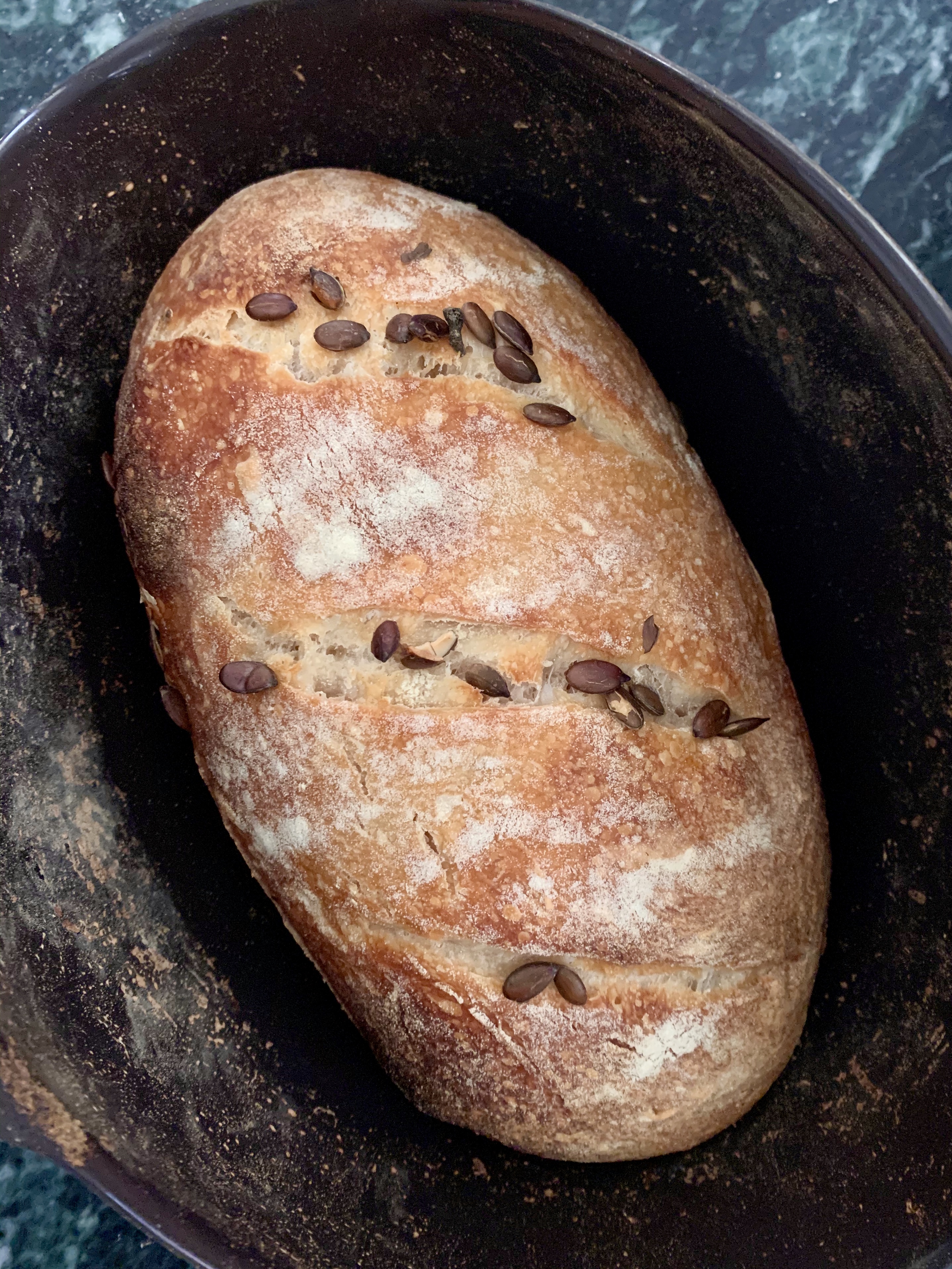
Sourdough bread — Local bakers leaned on wild yeast because commercial yeast was unreliable after the Gold Rush boom; the tang became the city's default loaf.
Mission burrito — Taquerías in the Mission wrapped a full meal—rice, beans, meat, salsa—in foil so shift workers could eat while standing on a corner.
Dungeness crab — Winter crab off the coast goes straight to wharf pots and neighborhood counters; the season is short and the city plans around it.
Before you go
Don't forget the ticket
If you want the inside, buy it before you go. The walk still works from the street.
Alcatraz IslandInterior visitSee tickets ›California Academy of SciencesInterior visitSee tickets ›de Young MuseumInterior visitSee tickets ›ExploratoriumInterior visitSee tickets ›Ripley's Believe It or Not!Interior visitSee tickets ›