
New York is a city you understand at street level
New York makes the most sense on foot. From a subway car you see stations; on the sidewalk you see how a Dutch trading post, an immigrant port and a global stage were stacked on top of each other, block by block.
- Lower Manhattan still follows the crooked lanes of New Amsterdam. Stone Street was one of the first paved streets in the city, and Wall Street takes its name from the wooden wall the Dutch built there in 1653.
- Between 1892 and 1954 about twelve million people passed through Ellis Island. Their neighborhoods are still readable today: the tenements of the Lower East Side, the red lanterns of Chinatown and the cafés of Mulberry Street.
- The city also performs for itself. Harlem's clubs shaped jazz in the 1920s and 1930s, Broadway's theaters light up at 8 pm, and film crews have used Fifth Avenue and Central Park as their set for almost a century.
What to eat
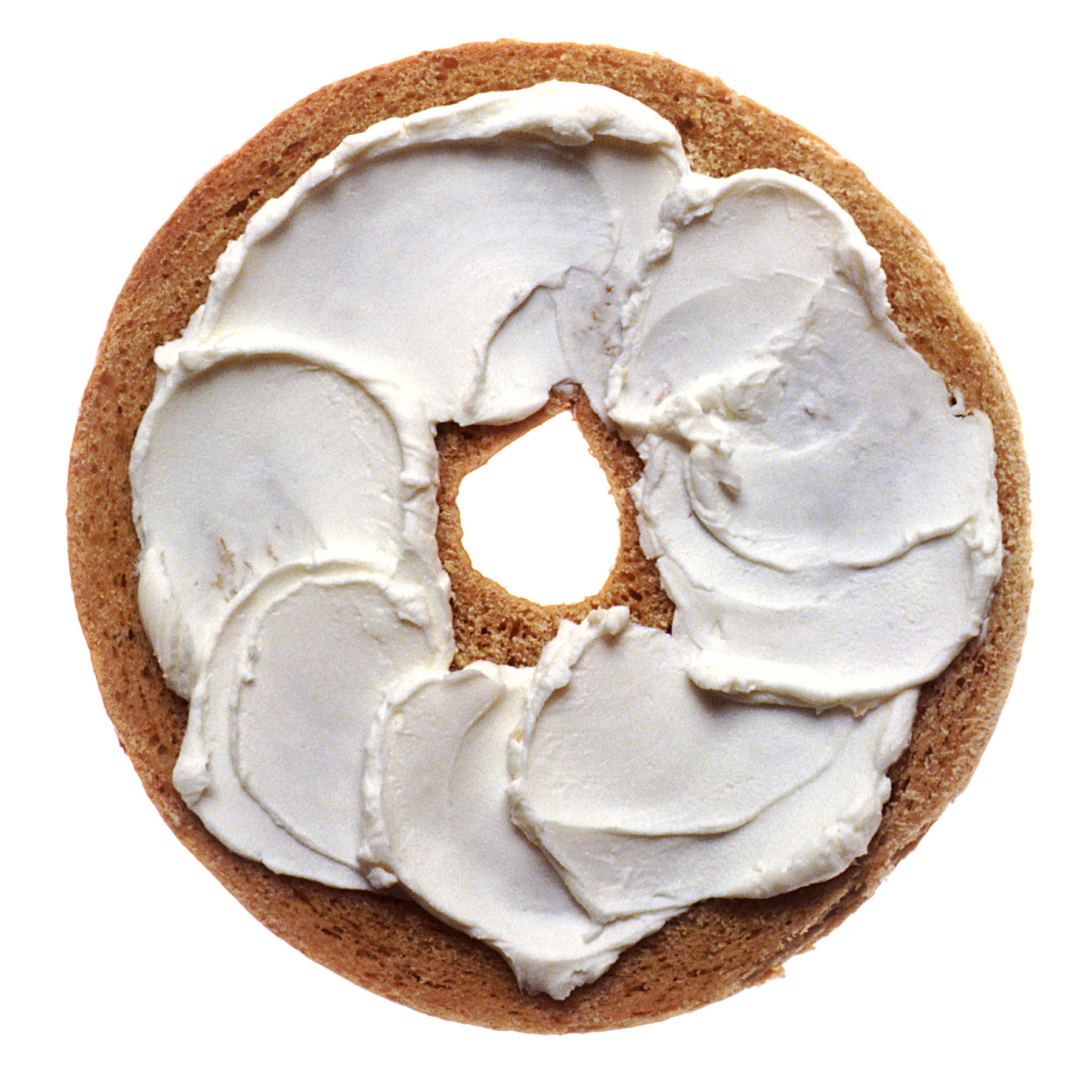
Bagel with lox and cream cheese — Jewish immigrants on the Lower East Side brought the boiled-then-baked bagel, and the smoked salmon from the appetizing shops became its classic partner.

New York slice — Italian bakers in coal-oven pizzerias made the thin, wide slice you fold in half and eat standing, the city's original fast lunch.
Pastrami on rye — Delis run by Romanian and Eastern European Jewish families turned brined, smoked beef into a sandwich piled higher than anywhere else.
New York cheesecake — Dense and made with cream cheese, it became a Brooklyn signature at diners like Junior's on Flatbush Avenue.