
Read the city at pavement speed
Rome rewards walking because scale, traffic, and sightlines only make sense when you move slowly enough to notice doorways, inscriptions, and the way ruins sit inside modern blocks.
- After 1870 the new capital punched boulevards through medieval fabric, but most neighborhoods still follow paths laid out for foot traffic and carts, not cars.
- On Via dei Giubbonari near Campo de' Fiori, shop shutters and awnings still mark a street that has sold cloth and food to locals for centuries.
- Romans treat the early evening stroll as normal logistics: you walk to dinner, stop for a coffee, and check whether the fountain is running before you commit to a table.
What to eat

Cacio e pepe — Sheep's-milk pecorino and black pepper define Roman pasta because the countryside around the city built its diet on pastoral cheese, not cream.
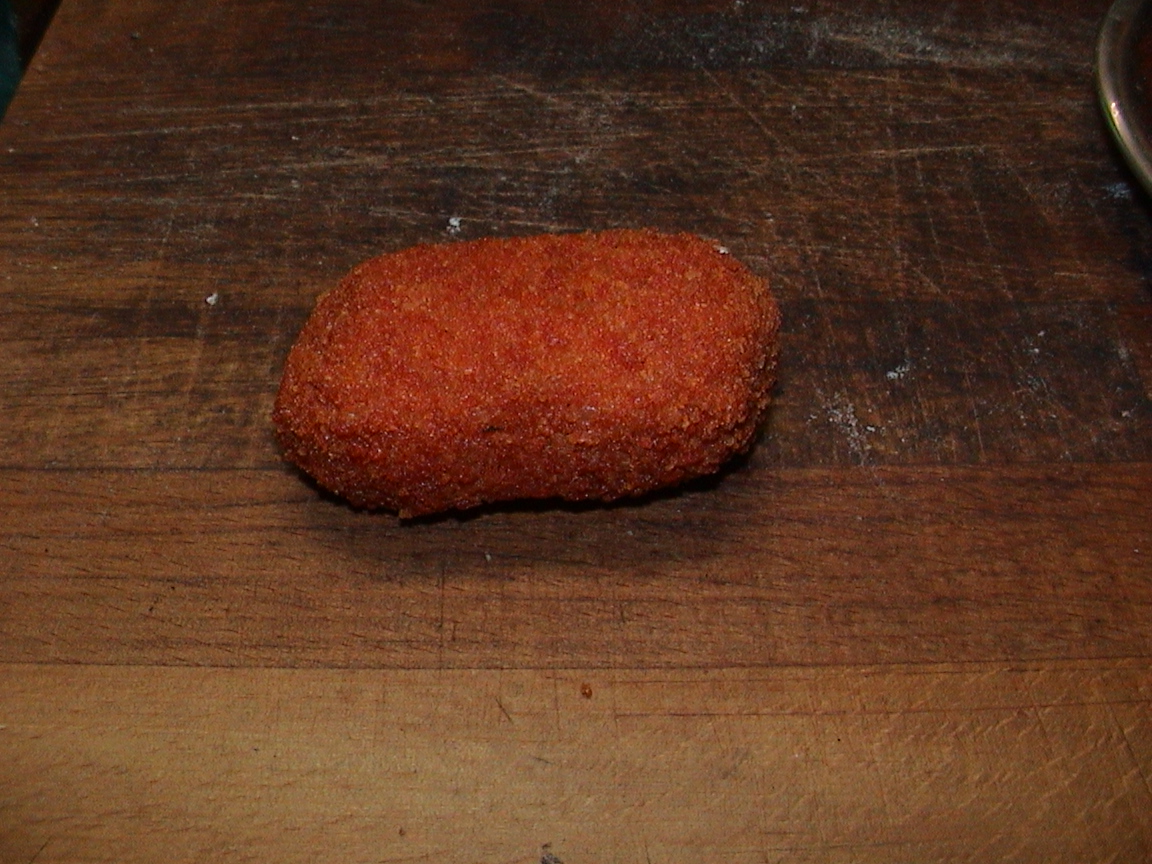
Supplì — Crisp rice balls with molten mozzarella come from Rome's fried snack counters, where lunch had to be fast and handheld.
Carciofi alla giudia — Twice-fried artichokes belong to the Jewish Ghetto, where cooks turned local thistles into a signature side dish.
Saltimbocca alla romana — Veal with prosciutto and sage is trattoria cooking from the city center, meant to be ordered by the portion at a marble-topped table.
Before you go
Don't forget the ticket
If you want the inside, buy it before you go. The walk still works from the street.
Ara PacisInterior visitSee tickets ›Castel Sant'AngeloInterior visitSee tickets ›ColosseumInterior visitSee tickets ›Galleria BorgheseInterior visitSee tickets ›Palatine HillInterior visitSee tickets ›Palazzo VeneziaInterior visitSee tickets ›PantheonInterior visitSee tickets ›Roman ForumInterior visitSee tickets ›