
Two cities stitched by bridges
Budapest is Buda on the bluff and Pest on the flat grid; you walk it because the story is in the gaps between hills, river, and boulevards, not in a single monument.
- In 1873 the twin towns merged into one capital, and you still feel the seam when you cross the Chain Bridge at dusk.
- Andrássy út was cut in the 1870s as a straight spine from the inner city toward City Park, lined with cafés and opera money.
- Locals still dip into thermal baths on weekday mornings before work, treating the springs as infrastructure, not a spa brochure.
What to eat
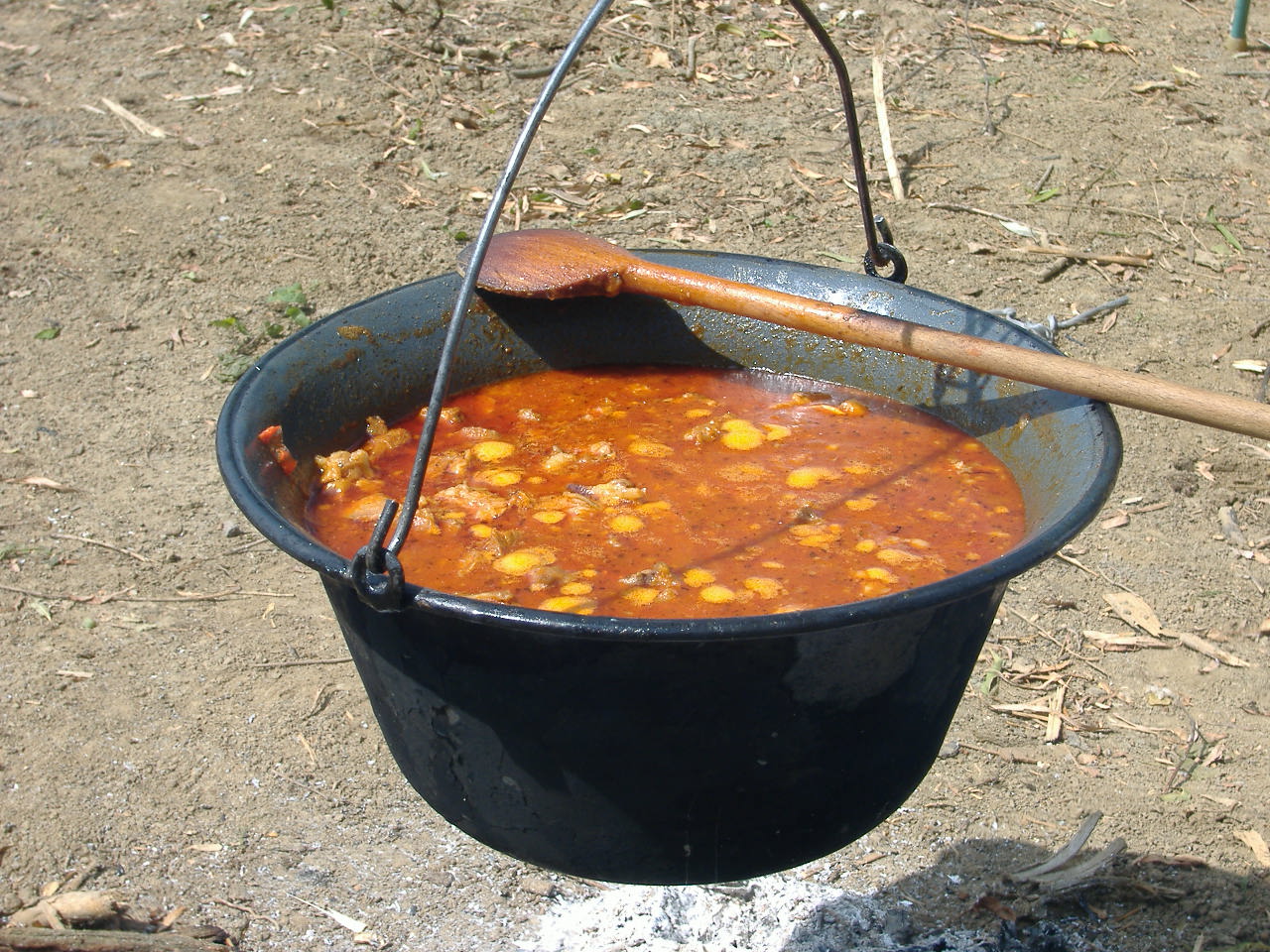
Goulash (gulyás) — Herder stew culture on the Great Plain became the national bowl once Budapest was the empire’s kitchen.

Lángos — Fried dough from market stalls and baths—quick calories for workers and swimmers since the 19th century.
Chimney cake (kürtőskalács) — Transylvanian street sugar that Budapest adopted at fairs and tourist corners without pretending it’s fine dining.
Chicken paprikash — Paprika from the south and dairy from the hills meet in Pest kitchens as everyday home cooking, not restaurant theater.
Before you go
Don't forget the ticket
If you want the inside, buy it before you go. The walk still works from the street.
Great Synagogue · Dohány Street SynagogueInterior visitSee tickets ›Hospital in the RockInterior visitSee tickets ›Matthias Church · Fisherman's BastionInterior visitSee tickets ›St. Stephen's BasilicaInterior visitSee tickets ›Széchenyi Thermal BathInterior visitSee tickets ›The Parliament BuildingInterior visitSee tickets ›