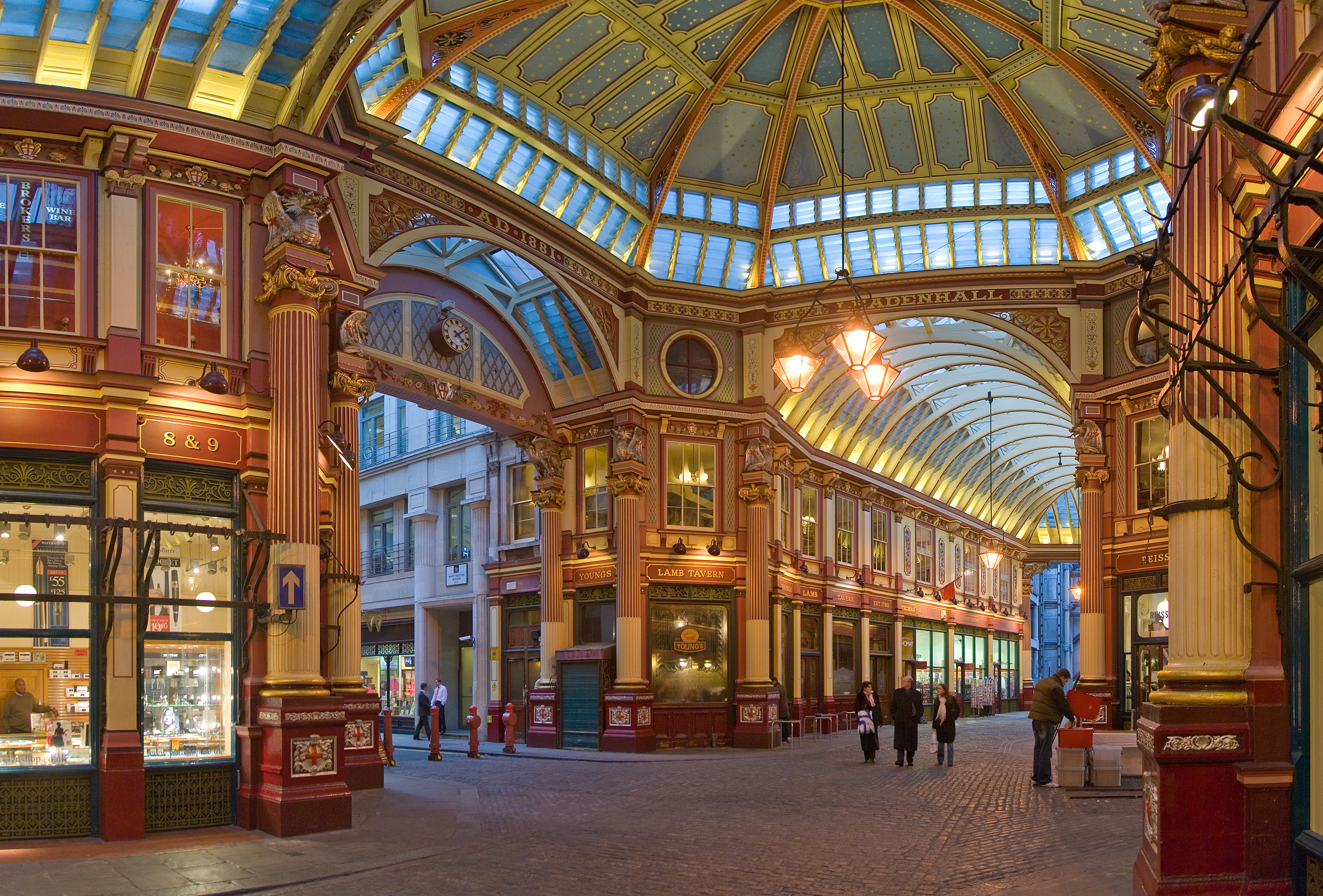
London rewards your feet because the city was built in layers, not on a grid
You can read London by walking: parish churches beside glass towers, Roman walls under office lobbies, and the Thames bending the whole story east toward the sea.
- After the Great Fire of 1666, Wren rebuilt St Paul's and a belt of parish churches while planners widened streets like Fleet Street—so one block can jump two centuries.
- The Strand and the City lanes still follow medieval property lines; cut through an alley and you land in a different borough's mood without a cab.
- Londoners treat the pavement as transit: black cabs for late nights, but lunch, a museum, and a pint are usually ten minutes apart if you keep moving.
What to eat

Full English breakfast — Caffs and pubs built the habit for workers who needed hot protein before long shifts on the river or in the City.

Pie and mash — East End shops sold cheap eel or meat pies with mash when dock wages were tight and ovens at home were rare.
Chicken tikka masala — Brick Lane and Soho curry houses turned British-Indian cooking into the city's default late-night feed.
Sunday roast — Pub kitchens still anchor the week when families and flatmates sit down together after church or a long walk.
Before you go
Don't forget the ticket
If you want the inside, buy it before you go. The walk still works from the street.
Cutty SarkInterior visitSee tickets ›Kensington PalaceInterior visitSee tickets ›London EyeInterior visitSee tickets ›Royal Observatory GreenwichInterior visitSee tickets ›Shakespeare's GlobeInterior visitSee tickets ›St Paul's CathedralInterior visitSee tickets ›The ShardInterior visitSee tickets ›Tower of LondonInterior visitSee tickets ›Westminster AbbeyInterior visitSee tickets ›