
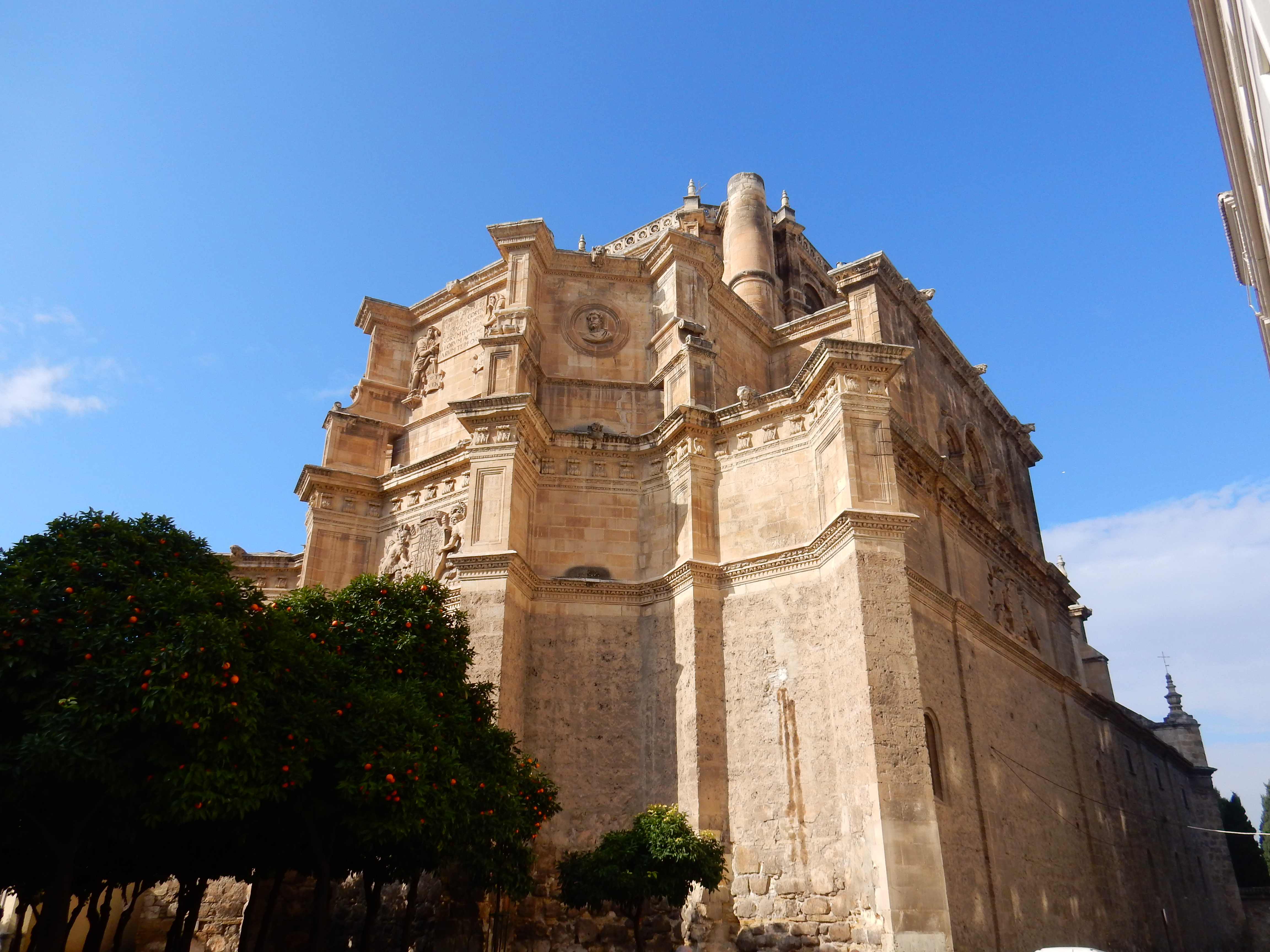
Why Granada is a city for walking
Granada does not lay itself out like a grid. It stacks neighborhoods on two hills—La Sabika with the Alhambra, and the Albayzín facing it—while the Río Darro cuts a narrow gorge between them along the Carrera del Darro. You feel the slope in your calves before you open a map; that physical rhythm is why so many people discover cities on foot here instead of hopping buses between sights.
- The date everyone learns is January 2, 1492, when Muhammad XII (Boabdil) left the city and Castilian banners replaced Nasrid rule. What walking teaches you is how slowly that change still reads in stone: Islamic bathhouses beside Baroque facades, a cathedral planted where a mosque once stood, and the Albaicín’s whitewashed lanes that UNESCO listed together with the Alhambra in 1984. You are not collecting postcards; you are reading layers block by block.
- Evenings belong to small bars. In much of Granada a beer or wine still comes with a tapa—a plate of something hot set on the counter without a separate order. Locals treat it as habit, not promotion; follow them one drink at a time and you have a food walk without a reservation. By day, Sacromonte’s cave dwellings and flamenco history pull you uphill; by night, miradors fill with guitar cases and conversation.
- A self-guided audio tour fits because Granada punishes rushed groups. Stairs narrow, viewpoints appear without signs, and the story that ties the Alhambra to the barrio below is easier to hear when you can pause on a bend in the Darro. Explore at your own pace; let local walking routes do the sequencing while you watch for shade and stone.
What to order (and why it exists)

Plato alpujarreño — Born in the Alpujarra villages south of the city: fried potatoes, chorizo, morcilla, cured ham, and a fried egg in one generous mound. Shepherds and farmers needed calories before crossing mountain passes; the city adopted it as honest pub food.
Remojón granadino — A cold plate of desalted cod, orange segments, spring onion, and hard-boiled egg, dressed with olive oil. It belongs to the orchard-and-sea logic of Andalusia: preserved fish meeting citrus from the coast and the fertile plain.
Tortilla del Sacromonte — Named for the hillside barrio of caves and flamenco, this potato omelet traditionally included offal along with peas and ham—ingredients tied to Sacromonte’s Roma and gitano kitchens. Many menus today offer milder versions; ask what goes into theirs before you order.
Pionono — Not from Granada proper but from Santa Fe, a few kilometers west, where pastry maker Ceferino Isla shaped this soaked sponge roll with cream and caramel in 1897, reportedly honoring Pope Pius IX (“Pío Nono”). It is small, sweet, and finished in two bites—ideal after a long uphill walk.
Before you go
Don't forget the ticket
If you want the inside, buy it before you go. The walk still works from the street.
AlhambraInterior visitSee tickets ›Catedral de GranadaInterior visitSee tickets ›